Acupuncture & East Asian Medicine
Understanding Qi & East Asian Medicine
Many of the concepts emphasized in East Asian medicine have no direct counterpart in Western medicine. One of these concepts is qi (pronounced "chi"), which is considered a vital force or energy responsible for controlling the workings of the human mind and body.
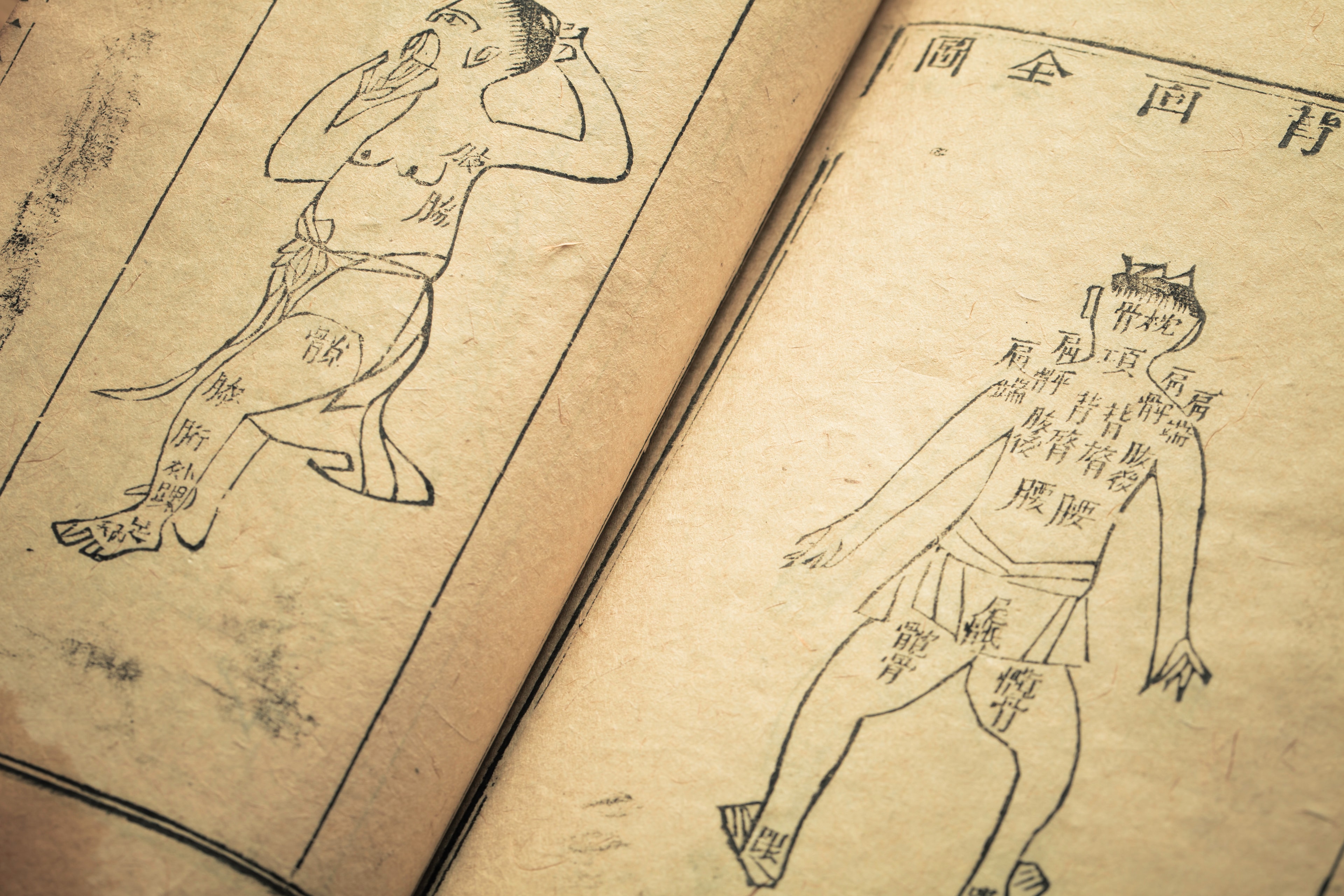
Qi flows through the body via channels, or pathways, which are called meridians. There are a total of 20 meridians: 12 primary meridians, which correspond to specific organs, organ systems or functions, and eight secondary meridians. As many as 2,000 acupuncture points are connected on the body via the meridian system. Each point has a different effect on the qi that passes through it.
Imbalances in the flow of qi cause illness; correction of this flow restores the body to balance. Qi is believed to help regulate balance in the body. It is influenced by the opposing forces of yin and yang, which represent positive and negative energy and forces in the universe and human body. Acupuncture is believed to keep the balance between yin and yang, thus allowing for the normal flow of qi throughout the body and restoring health to the mind and body.
Treatment Specifics
Both new and return treatments are roughly 75 minutes in length. During the initial intake, we will discuss a new patient's health history in depth followed by a truncated acupuncture treatment. All subsequent treatments will last longer and include some combination of tools to fully address not only the current issue but the underlying health of an individual. We prioritize rest and relaxation during treatments, allowing the body to fully reset in order to appropriately address dysfunction and establish balance.
We believe strongly that preventative care will enable people to live more gracefully and with less illness. If people are unable to receive appropriate treatment because they have neither the funds nor insurance to cover care, then the health of the community will generally decline. Prioritizing accessibility, we strive for cost to not be a factor in a person's decision to pursue care. With this in mind, acupuncture treatment is offered on a sliding scale.
We accept cash, check and credit card payments. We will also submit for insurance coverage with a limited number of insurance carriers.
Erin will uphold a cancellation fee of $55 if appointments are not cancelled within 24 hours of scheduled time unless unforeseen circumstances prohibit a patient from keeping their appointment. A fee of $35 will be assessed for any checks that are returned due to insufficient funds.
What To Expect
We treat a whole host of issues including but not limited to:
- Musculoskeletal Pain
- Emotional and Psychological Distress including Trauma, Insomnia, Anxiety and Depression
- Gynecological Issues including Infertility, Pregnancy and Post-Partum
- Pediatric Disorders
- Allergies, Asthma and other Upper Respiratory issues
- Auto-immune conditions
The breadth of treatment possibilities using acupuncture and Chinese herbs is amazing. Though not necessarily a quick fix, acupuncture and herbs have the potential to reverse seemingly chronic problems and mismanaged illnesses.
Acupuncture and Chinese herbs may not be a miracle cure, but we strongly believe in the potential healing power of this ancient medicine no matter the complaint.
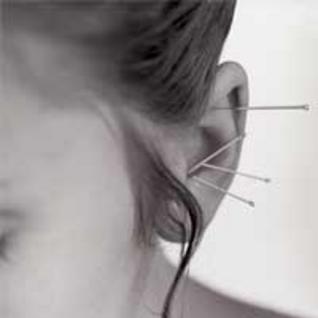
Acupuncture needling is guided by an understanding of the meridian structure or energetic pathways that flow throughout the body. The shallow insertion of very thin disposable needles works to recreate balance and flow in the body, eliminating pain and dysfunction of internal organs. Acupuncture promotes the body's own self-healing and regenerative capabilities. Acupuncture and adjunct modalities rarely produce any negative side effects.
East Asian medicine encompasses several methods designed to help patients achieve and maintain health. Though practiced often as a stand alone treatment in the United States, acupuncture is only one of many tools that used in conjunction with each other affect real change in the overall health of an individual. East Asian medicine incorporates complementary techniques such as acupressure and moxibustion, massage techniques such as tuina and gua sha, herbal medicine, diet and lifestyle changes, meditation and exercise (often in the form of qigong or tai chi). East Asian medicine is a daily practice and Erin strives to teach each person ways in which they can modify their life in order to see the best results.
